Vietnam kratom is one of those varieties that we’re just used to seeing on a kratom store’s shelves. Considered one of the OGs, Vietnam is a mainstay that has cemented its place as a must-try variety and even an everyday staple for many users for its adaptable profile.
But what exactly sets Vietnam kratom apart from other choices? And is it the right variety for you? Learn about its history, origins, and properties with this definitive kratom guide.
Unlike its maritime neighbor Indonesia, Vietnam has imposed strict bans on kratom, classifying the herbal product under their drug control and anti-narcotics campaign. This means that unlike Indonesia which enjoys relative freedom and flexible regulation when it comes to kratom cultivation, farming kratom in Vietnam is strictly prohibited and heavily penalized.
But because Vietnam kratom is a variety that grows specifically within Vietnam, farmers had to find a way to keep the supply chain steady following Vietnam’s ban. That pushed cultivators to transport Vietnam kratom cuttings across borders and overseas into friendlier territory in order to maintain the variety’s presence on the market.
So while you might be able to buy Vietnam kratom at your average kratom vendor’s website or brick-and-mortar today, that doesn’t mean you’re getting kratom that was grown in Vietnam. In fact, most of the kratom that you buy today comes from Indonesia. While the parent tree was almost definitely taken from its country of origin, it was likely grown somewhere in Indonesia.
This means that Vietnam kratom doesn’t necessarily have to be grown within Vietnam to carry the name. The designation can also refer to the particular type of kratom being cultivated, rather than the country where the finished product was produced.
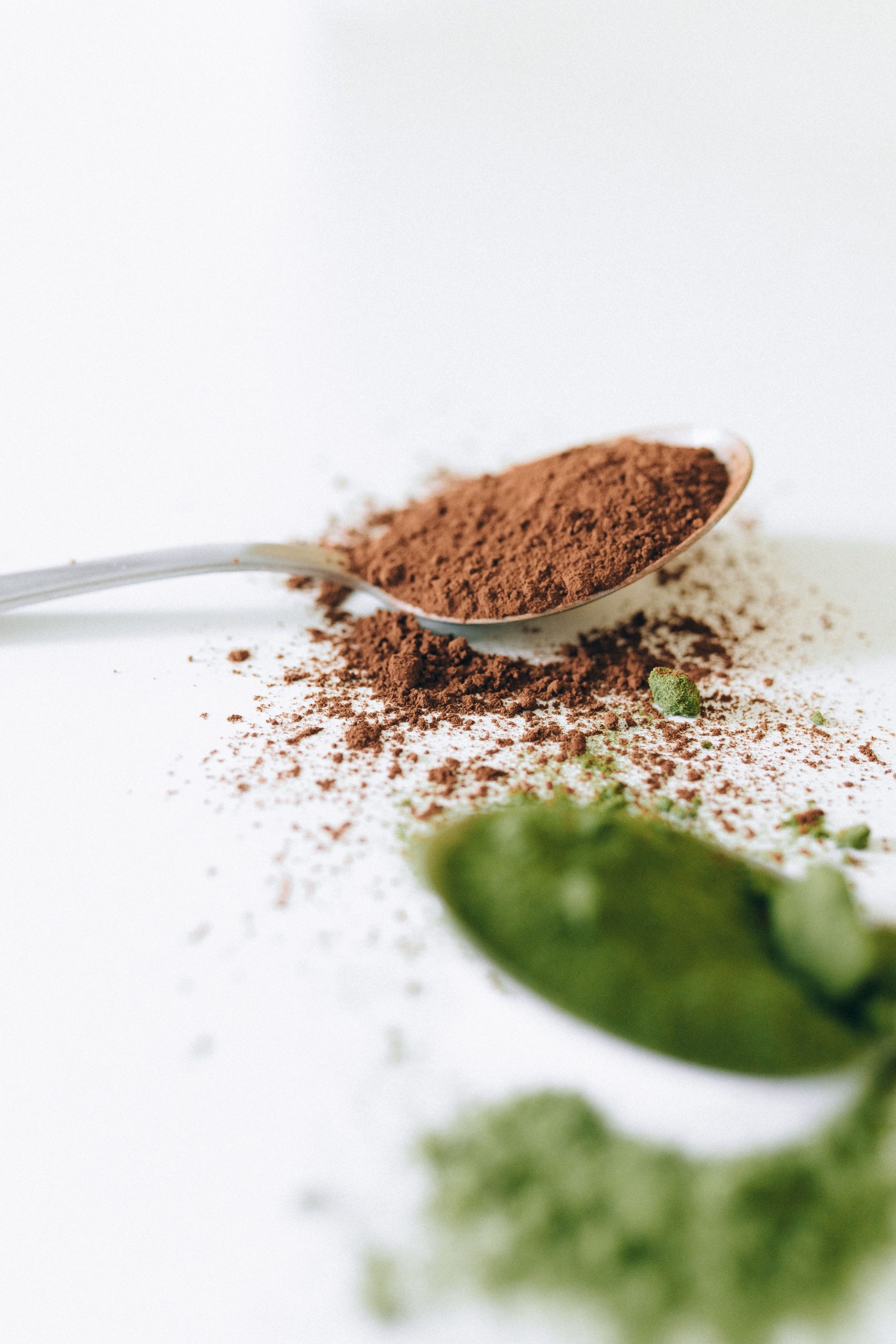
Vietnam kratom comes in several varieties, with red, white, and green being the traditional vein colors. Each has its own reputation among kratom users, although the differences aren’t always as straightforward as their color labels might suggest.
Yellow Vietnam is another variation worth knowing about, particularly because its characteristics can differ from those associated with the three traditional colors, and because of its relative commercial popularity.
These distinctions are useful when comparing Vietnam varieties, but they shouldn’t be treated as guarantees of how a particular product will feel. Kratom’s chemical composition can vary considerably, even between products sold under the same name.
Choosing between Vietnam kratom varieties largely comes down to understanding the differences commonly associated with each color. Someone interested in the more stimulating characteristics of kratom might be drawn to White Vietnam, while someone looking for a variety traditionally associated with relaxation might be more interested in Red Vietnam.
Green and yellow varieties offer other options for those interested in a different balance of characteristics.
Here’s a quick breakdown of the traditional distinctions:
It’s worth remembering that these descriptions come largely from commercial classifications and consumer reports, rather than established evidence that each color produces a predictable effect. Always check alkaloid profiles and lab reports to get a better idea of a kratom product’s alkaloid composition, and leave room for variance even if you’re buying the same color vein and strain from the same vendor.
Identifying the right dose to take depends on a wealth of factors including kratom quality, alkaloid profile, personal tolerance, previous experience with kratom, and the specific format of the product being used, among others.
That said, even if you’ve taken kratom in the past, there’s no guarantee that you’ll have exactly the same response to a new batch or a new product. That’s why it’s best to always start small if you’re trying a new kratom product for the first time.
It’s generally discouraged for users to build on an existing dose. For instance, if you took 4g and feel that it wasn’t enough, try to wait for the effects to wane completely before taking another dose, instead of building on the primary dose while the effects are underway.
If you’ve chosen to start with capsules, a trial dose of 4-5 capsules is generally the ideal starting point.
Remember that the trial doses aren’t just to help you identify the ideal amount for your needs. It also gives you an opportunity to assess the quality of the product. Starting smaller means you have the chance to identify possible issues that may end up being a reason for you to return a specific product.
 How to Find Good Quality Vietnam Kratom
Once the leaves have been dried and ground into powder, there is no reliable way to determine their original growing location simply by looking at the finished product. This makes the information provided about a product, along with its testing and quality-control practices, particularly important. When evaluating Vietnam kratom, there are several things worth looking for:
It’s also important to remember that two products carrying the Vietnam designation aren’t necessarily identical. Differences in cultivation, processing, and alkaloid content can affect the composition of the finished powder, so the strain name alone shouldn’t be used as a measure of quality.
There’s a reason why so many people turn to Vietnam kratom as their daily driver. This moderate strength variety offers potential benefits that work well for a broad audience, and provide an experience that agrees with what a lot of kratom users look for in a strain.
So if you’re on the market for a new kratom variety to try, or if you’re looking for something you can rely on day to day, Vietnam kratom might be the end of your search.

Are you 21 years of age or older?
 Account
 Cart
 Questions?
 Login/Register
 View Cart